Circadian Rhythm
Your body operates on a roughly 24-hour cycle. Honoring this natural rhythm through consistent sleep and wake times supports deeper, more efficient rest.
Learn how sleep hygiene, evening routines, and environmental optimization support deeper, more restorative sleep. Our educational approach is rooted in behavioral science—not medical treatment.
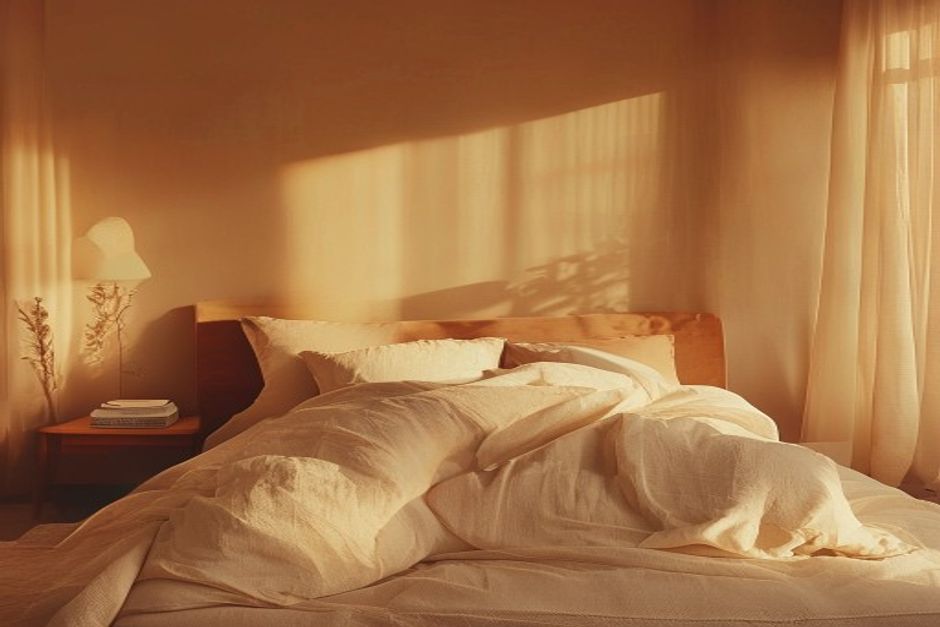



Sleep isn't luxury—it's a foundational pillar of wellbeing. Understanding the "why" behind good sleep habits empowers smarter choices.
Your body operates on a roughly 24-hour cycle. Honoring this natural rhythm through consistent sleep and wake times supports deeper, more efficient rest.
Darkness triggers melatonin release. A cool, dark, quiet bedroom optimizes your body's sleep signals—no equipment needed, just smart choices.
Stress and stimulation keep you alert. Evening practices like breathing, journaling, and digital pauses activate your parasympathetic nervous system.
Daytime activity deepens sleep pressure. But intense exercise too close to bedtime can be stimulating. Timing matters as much as the activity itself.
Tailored educational programs to help you build sustainable sleep practices.
$85
60-minute personalized session
$180
weekly guidance modules
$49
digital guide (lifetime access)
Custom
for teams & organizations
Important: Sleep issues may require professional medical evaluation. If you experience persistent insomnia, sleep apnea symptoms, or nightmares, consult a sleep specialist or physician. Our coaching complements—but does not replace—medical care.
Sample daily rhythm showing how sleep science principles integrate into everyday life.
Get bright light within 30–60 minutes of waking. This anchors your circadian rhythm and improves evening melatonin release.
Aim for 20–30 minutes of moderate activity. Movement increases sleep pressure and deepens rest quality.
Avoid caffeine after 2 PM and heavy meals after 6 PM. These can significantly disrupt sleep onset and quality.
Dim lights, reduce screen time, and begin calming activities. Prepare your nervous system for rest.
Practice breathing, journaling, or gentle stretching. This signals to your body that sleep is coming.
Cool (65–68°F), dark, quiet. Close the door, use blackout curtains if needed, consider white noise.
Same schedule every day—even weekends—strengthens your circadian rhythm and deepens sleep efficiency.
A quick assessment to guide you toward practices that work best for your rhythm and lifestyle.
What's your natural wake time?
How do you typically feel during evening hours?
What disrupts your sleep most?
You align naturally with morning light and earlier sleep. Harness this by anchoring morning routines and respecting your early sleep window. A 4-week coaching program can help you strengthen this advantage.
Book ConsultationYou adapt well to standard schedules. Focus on consistency and environment optimization. Our Sleep Hygiene Essentials guide is perfect for you.
Get the GuideYour body prefers later sleep and wake times. Our coaching can help you work with—not against—your natural rhythm while managing work/social commitments.
Schedule SessionYou transition smoothly to sleep mode. Build on this strength with consistent routines and a supportive environment. 4-week program recommended.
Start ProgramYou need structured wind-down practices. Our Evening Practices guide and coaching can help you gradually shift toward better sleep alignment.
Explore SolutionsConsistency is your biggest opportunity. Our coaching focuses on anchoring routines and environment to stabilize your sleep quality.
Build ConsistencyJournaling, breathing practices, and pre-sleep routines are your allies. Our 4-week program includes specific techniques for mental settling.
Learn TechniquesEnvironment optimization (temperature, bedding, pillows) and gentle pre-sleep stretching can help. Consult our sleep environment guide.
Optimize EnvironmentDarkness, quiet, and temperature control are your focus. Our guide covers practical solutions from blackout curtains to white noise strategies.
Protect Your SleepDifferent approaches for different schedules. Choose what fits your life.
| Format Name | Total Time | Best For | Key Activities |
|---|---|---|---|
| Express Wind-Down | 15–20 min | Busy evenings, shift workers | Light dimming, breathing, skincare |
| Standard Evening | 45–60 min | Most people, regular schedules | Screen off, routine, journaling, stretching |
| Full Restoration | 90+ min | Wellness prioritizers, flexible schedules | Bath, reading, meditation, warm beverage |
| Weekend Ritual | 60–90 min | Saturday/Sunday intentional prep | Extended routine, body care, reflection |
A simple 4-count technique to calm your nervous system before bed:
Repeat 5–10 times. This activates your parasympathetic nervous system and signals your body to prepare for rest.
8:30 PM: Dim lights to 20–30% brightness throughout your home. Turn off screens.
8:35 PM: Light tea (herbal, caffeine-free) or warm milk. No large drinks—avoid late bathroom trips.
8:45 PM: Gentle journaling or reflection. Write 3 things you're grateful for, or clear your mind of tomorrow's tasks.
8:55 PM: Skincare routine or brief stretching. Focus on slow, deliberate movements.
9:00 PM: Bedroom time. Lights off, sleep position, deep breathing.
Strategic Napping: If needed, keep naps to 20–30 minutes in early afternoon (before 3 PM). Longer naps can interfere with nighttime sleep.
Post-Workout Window: After intense exercise, allow 2–3 hours before bed for your core temperature and adrenaline to settle.
Weekend Sleep Debt: Avoid "catching up" with dramatically longer sleep on weekends—it destabilizes your rhythm. Aim for consistency instead.
Sleep isn't a luxury or a waste of time. During sleep, your body recovers, your mind consolidates memories, and your immune system strengthens. Good sleep supports mood, focus, athletic performance, and long-term health.
Yet modern life makes sleep harder: artificial light, work stress, screens, caffeine. Our coaching helps you reclaim sleep through education and practical habit change.
You don't need medication or drastic overhaul. Small, evidence-based adjustments to your evening routine and environment can transform your rest quality within weeks.
Individual experiences. Results and timelines vary based on starting point, consistency, and unique circumstances.
"I didn't realize how much blue light was affecting my wind-down. After switching to warm lighting and removing screens an hour earlier, my sleep improved noticeably. The evening routine felt natural, not forced."
— Jasmine, Seattle
"The environment optimization guide was practical. I adjusted my room temperature and added blackout curtains, and the quality of my sleep deepened. Best $49 I spent."
— Marcus, Boston
"I was skeptical about consistency mattering so much. But sticking to the same sleep/wake schedule, even on weekends, changed everything. I feel more rested on the same amount of sleep."
— Priya, Austin
"The 4-week program gave me accountability and real tools. My coach helped me tailor the routine to my schedule, and I actually stuck with it. Sleep feels like a priority now."
— David, Portland
No. Our coaching is educational and behavioral. If you experience persistent insomnia, suspected sleep apnea, nightmares, or other clinical sleep issues, consult a sleep specialist or physician. We complement, but do not replace, medical care.
Most people notice improvements in sleep quality within 2–4 weeks of consistent practice. Some changes (like temperature sensitivity) appear faster; others (like circadian entrainment) take longer. Individual timelines vary.
Yes. Shift workers face unique challenges. Our Express Wind-Down and scheduling flexibility options are designed for non-traditional sleep times. A personalized consultation can help you apply principles to your specific schedule.
No. Our approach focuses on habits, routines, and environment. While quality bedding and blackout curtains can help, they're not required. Everything starts with what you can do today—no spending necessary.
Your health information and coaching details are confidential. We comply with privacy regulations and never share your data without consent. See our Privacy Policy for full details.
Our programs are designed for adults. While many principles apply to children, pediatric sleep has unique considerations. Consult your child's pediatrician for guidance tailored to their age and development.
Start with our free Sleep Hygiene Essentials guide, or book a consultation to tailor a plan to your life.